
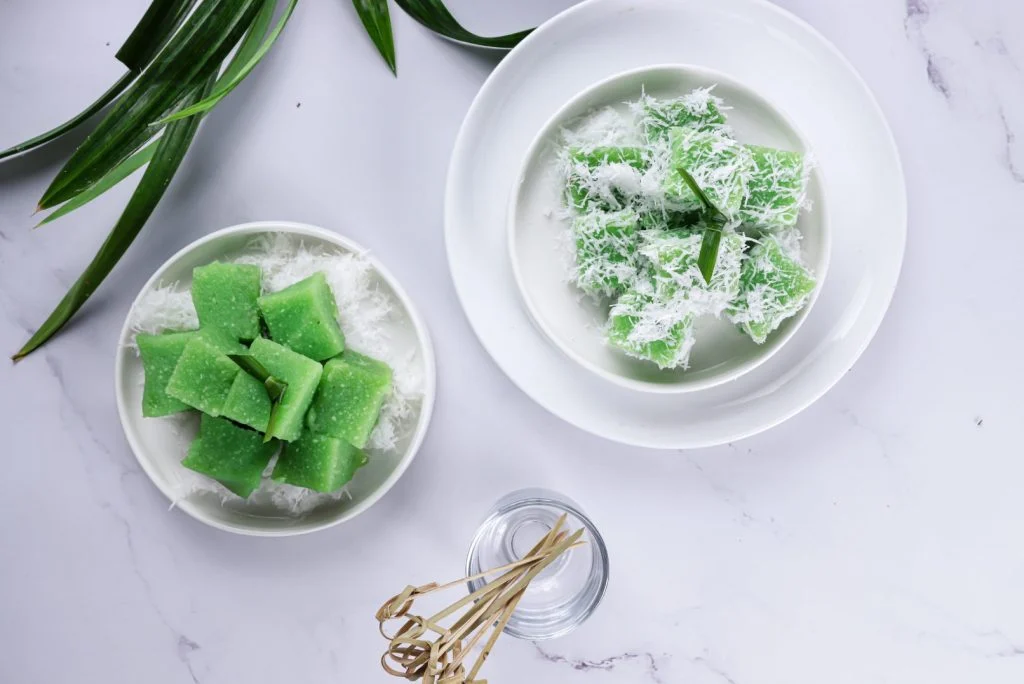
Planning a visit to Malaysia to experience the legendary taste of pandan? You have made one of the best decisions possible by choosing a destination consistently ranked among the world’s top 50 culinary hotspots. While millions of visitors flock here for the pristine beaches and the iconic KLCC towers, the unique food scene and the aromatic pandan leaf remain the true star attractions.
Among the many flavors that define the nation’s identity, pandan stands out as the most recognizable. Local chefs prize this leaf for its natural green pigment and its unforgettable nutty aroma. Furthermore, pandan does more than just flavor food because its distinctive fragrance ties deeply into the local heritage and culture. Consequently, most traditional Malaysian desserts known locally as kuih muih rely on this green gold to achieve their signature look and taste.
Because these treats reflect the nation’s rich history, you should explore them as essential cultural landmarks. In fact, food critics often consider these delicacies must-try experiences for any traveler. By seeking out these iconic sweets, you will encounter one of the most unique flavor profiles on the planet and experience the true essence of pandan long after your journey ends.
Kuih Seri Muka
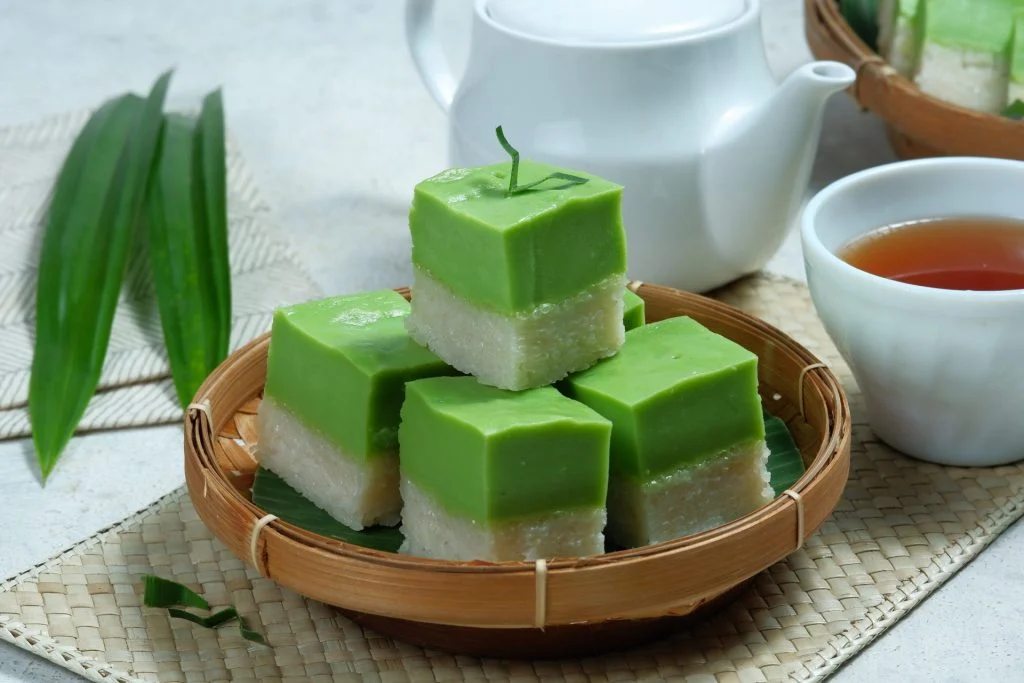
First, you must try Kuih Seri Muka. This iconic dessert features two distinct layers: a salty, steamed glutinous rice base and a smooth, vibrant pandan custard on top. By balancing creamy sweetness with slightly salty rice, this treat creates a literal match made in heaven.
Additionally, you can easily find this kuih during the morning at traditional local markets. Beyond the daily markets, vendors also feature it prominently at Ramadan bazaars throughout the fasting month. Consequently, whether you are an early riser or a sunset snacker, you will likely encounter this emerald-green delight during your travels.
Pandan Chiffon Cake
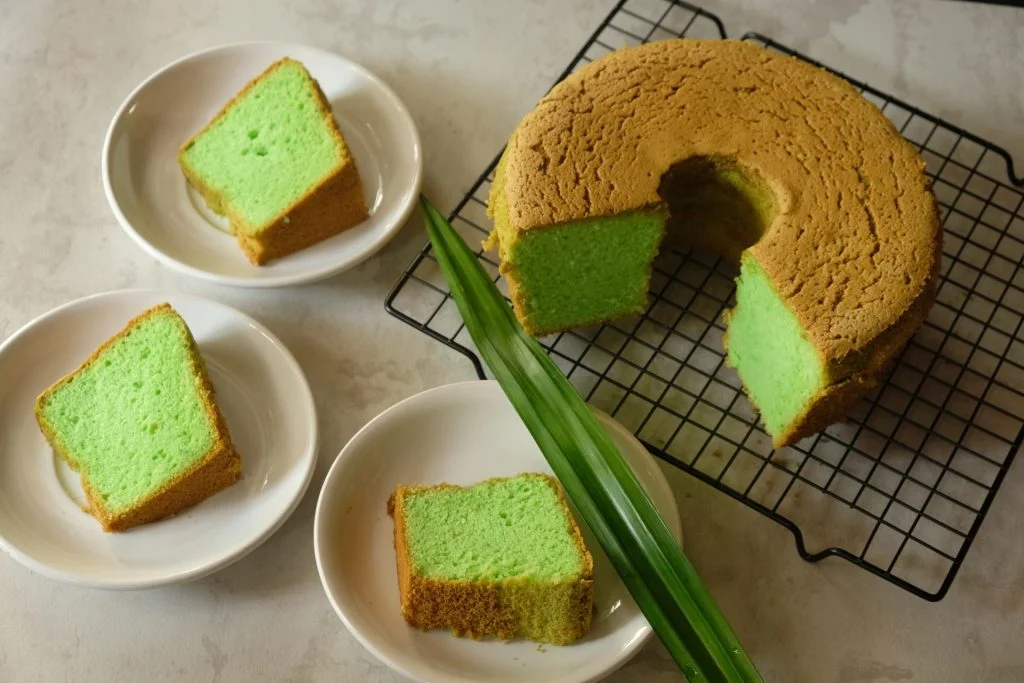
Next, try Pandan Chiffon Cake. This is one of the most popular chiffon cakes in Malaysia. Its airy texture and vibrant green colour make it both delicious and Instagram-worthy. It is usually available in bakeries, cafés, and hotel buffets.
Ondeh-Ondeh
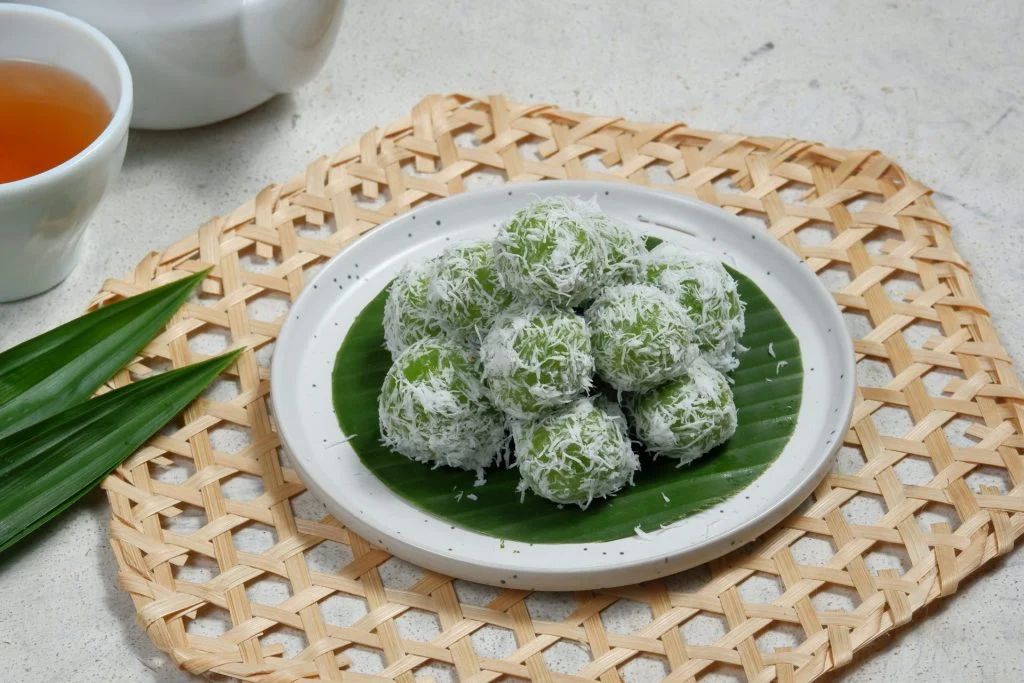
Third, this is the most viral Malaysian dessert that tourists must try if they come to Malaysia. The glutinous rice ball is filled with molten palm sugar and coated in grated coconut. The sweet palm sugar burst inside creates a memorable first bite experience that many tourists love to share on social media. You can usually find ondeh-ondeh in Ramadan bazaars or kuih stalls in Malaysia.
Kuih Talam
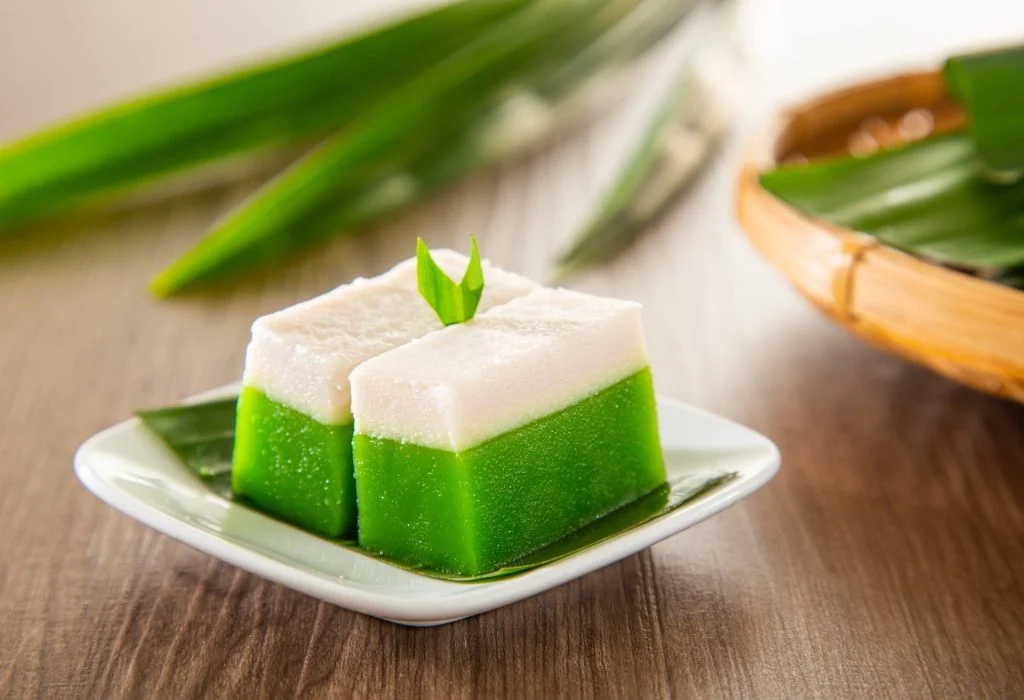
Kuih Talam is another iconic traditional dessert that visitors should try in Malaysia. It offers a balance of sweet and savoury flavours. The green layer is paired with a creamy coconut top layer, slightly salty to enhance the overall taste. This dessert reflects Malaysia’s love for flavour contrast and traditional steaming techniques.
Pandan Kaya

Another must-try dessert that you should try is Pandan Kaya. It is a coconut egg jam infused with pandan flavour. Served with toast and soft-boiled eggs, it is a common breakfast in local kopitiams across Kuala Lumpur and Penang. Simple yet rich in flavour, this dessert introduces many visitors to the flavour in the most comforting way.
Why Pandan Desserts Matter Fir Culinary Tourism
As Malaysia promotes itself as “Truly Asia,” pandan desserts represent the country’s multicultural heritage and authentic flavours. For tourists, this flavour offers something unique, a taste not commonly found in Western desserts.
To summarize, pandan is not just a flavour. It is Malaysia’s aromatic identity that describes Malaysia. Whether it is enjoyed at a local market or a modern café, these desserts offer tourists a true taste of Malaysia’s culinary heritage.
FAQ
1. How does climate change affect the taste of food?
Climate change alters growing conditions like temperature and rainfall, which can change the balance of sugars, acids, and aromatic compounds in plants, directly impacting their final taste and aroma.
2. What is Controlled Environment Agriculture for flavours?
It is a method of growing flavour-producing plants like herbs and spices indoors, where factors like light, temperature, and water can be precisely managed to ensure a consistent and reliable crop.
3. How does Green house Flavour ensure the quality of its raw materials?
We ensure quality by working closely with our growers, diversifying our supply sources, and using biomolecular analysis to verify the flavour profile of our raw materials before processing.
4. Can you create unique Malaysian-inspired flavours?
Yes, we specialise in developing unique Malaysian-inspired flavours by leveraging the country’s diverse regional ingredients and heritage profiles. From Bentong ginger and Cameron Highlands strawberries to iconic favourites such as Musang King durian, pandan leaf, Perak white coffee, and Johor M2 pineapple, we create distinctive flavour solutions that capture authentic local taste while meeting modern application needs.